Source European Style Red Wine Glass for Restaurants, Parties, and Gifts
Compare 30 listings for european style red wine glass options featuring glass construction, LFGB/FDA certifications, and customizable designs. Find suitable pieces for restaurants, promotional gifts, and party occasions with capacities ranging from 200ml to 530ml; compare the available evidence and request quotations based on your requirements.
Key considerations
Products List







Comprehensive Sourcing Guide
European Style Red Wine Glass Sourcing Guide
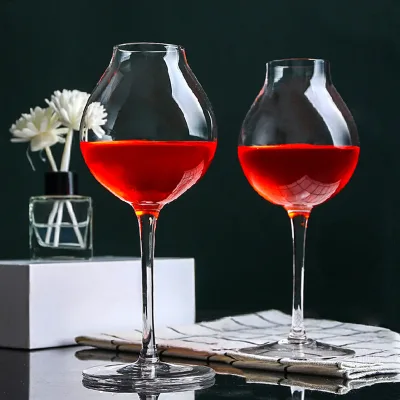
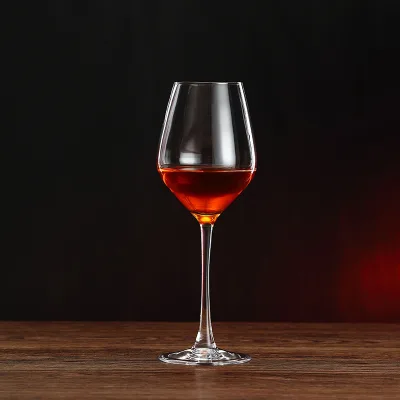
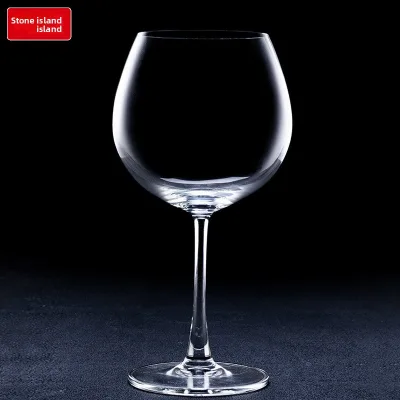
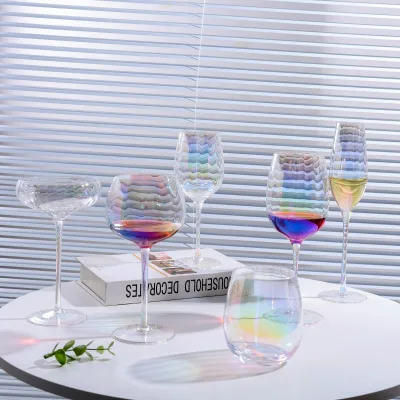
Sourcing European style red wine glasses requires careful attention to design nuances that distinguish them from generic glassware. The observed market features a range of styles including Classic, Modern, and Morden Luxury, often characterized by long stems and specific shapes like Goblets or Highball glasses. Buyers must verify that the "European style" designation aligns with the intended aesthetic, as listings show variations from American Style to irregular shapes, which may not meet traditional European expectations.
Procurement decisions should prioritize the specific usage context, as these glasses are frequently marketed for promotion gifts, parties, and commercial use in restaurants. The observed product attributes indicate a strong focus on customization, with options for branding and unique packaging solutions. Buyers should confirm that the selected design supports the intended occasion, ensuring the glassware complements the dining experience while meeting the functional requirements of wine service.
Product Scope and Observed Listing Signals
The current market landscape for red wine glassware displays significant diversity in capacity and material composition, with observed listings ranging from 200ml to over 530ml. While many products are explicitly labeled as glass, some entries mention ceramic types as "no," confirming the primary material is indeed glass. Buyers must scrutinize capacity specifications, as the standard sizes vary widely, with some models offering 330ml or 450ml options, while others provide custom requirements to suit specific wine volumes.
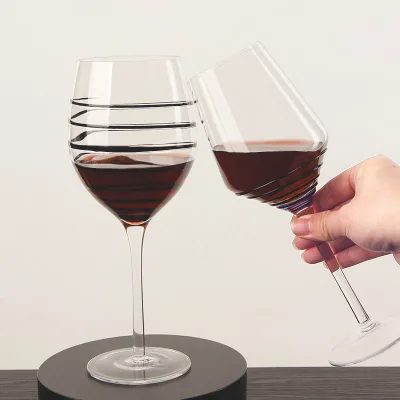
Listing signals also reveal a broad spectrum of color options, including transparent, blue-green, and partially matched designs with black silk accents. The observed data indicates that some suppliers offer single-item selling units, while others cater to bulk orders with quantities exceeding 10 liters. It is critical to distinguish between standard transparent glass and specialized colored variants, as the latter may require specific handling or have different lead times depending on the supplier's production capabilities.
Technical Specifications to Verify
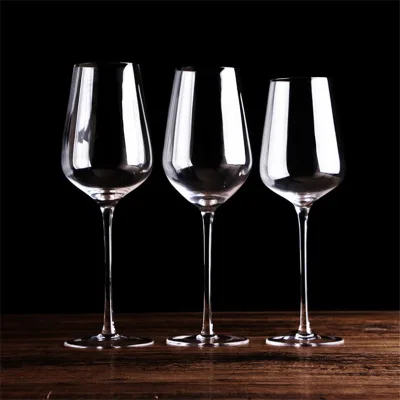
Technical verification must begin with the physical dimensions and structural integrity of the stem and bowl. The observed product attributes highlight "long" stems as a common feature, which is essential for proper handling and temperature control during wine tasting. Buyers should request detailed size specifications for each model, as the data shows variations from 230ml to 350-530ml capacities, and ensure the shape, whether irregular or classic, meets the functional needs of the specific wine type being served.
Material thickness and clarity are equally critical, particularly given the "transparent" and "partially matched" color observations. The standard production models often cite specific capacities like 330ml or 230ml, but buyers must confirm if these are fixed standards or flexible requirements. Additionally, the "Eco-Friendly" feature noted in some listings should be validated through material composition data to ensure the glass is durable and safe for repeated use in commercial environments.
Compliance and Safety Documentation
Safety compliance is a non-negotiable aspect of sourcing glassware intended for food and beverage contact. The observed listings frequently cite certifications such as LFGB, CE, and FDA, which are essential for markets in Europe and North America. Buyers must verify that the specific batch of glassware carries these valid certifications, as the presence of one does not guarantee the others, and ensure the documentation is current and issued by recognized testing bodies.
Beyond certifications, packaging standards play a vital role in maintaining product safety during transit. The observed data mentions packaging options ranging from common cartons to white boxes with bubble bags, which are crucial for preventing breakage. Procurement teams should confirm that the packaging method aligns with the fragility of the glass and the specific shipping route, ensuring that the "Customize" packaging option meets the necessary protective standards for international logistics.
Cost Drivers and Commercial Terms
Cost structures for European style red wine glasses are heavily influenced by customization levels and order volume. The observed MOQ range spans from 1 to 12,000 units, indicating that small-batch buyers may face higher per-unit costs compared to those placing large commercial orders. Buyers should analyze the price range of 0.04 to 5.7 USD to understand how factors like color complexity, stem length, and branding affect the final unit price.
Commercial terms also depend on the supplier's ability to provide samples and handle custom branding requests. The availability of samples is a key factor in validating quality before committing to a large order, and the "Customization" attribute suggests flexibility in design and packaging. Buyers must negotiate clear terms regarding lead times and production capacity, as the observed data indicates varying production capabilities that could impact delivery schedules for time-sensitive events.
Supplier Qualification and Quality Control
Supplier qualification requires a thorough review of their production origins and manufacturing capabilities. The observed data points to origins in Shanxi and Hebei, China, regions known for glass manufacturing, but buyers must verify the specific factory's quality control processes. It is essential to confirm that the supplier has a proven track record in producing high-quality glassware that meets the "Classic" or "Modern" design styles observed in the market.
Quality control protocols should include rigorous testing for defects, especially given the "Irregular Shape" and "Long Stem" attributes that can be prone to breakage. Buyers should request evidence of production consistency, such as batch testing results or quality assurance certificates, to ensure that every unit meets the specified standards. Additionally, verifying the supplier's ability to handle "Customize" requests without compromising the structural integrity of the glass is vital for long-term success.
Long-Term Procurement Checks
Establishing a long-term procurement relationship involves regular audits of supplier performance and product consistency. Buyers should monitor the supplier's ability to maintain the "Eco-Friendly" standards and certification validity over time, as regulatory requirements can change. Regular quality checks on incoming shipments are necessary to ensure that the glassware continues to meet the specified capacity and design requirements, preventing discrepancies between the ordered sample and bulk delivery.
Strategic planning for future orders should account for the evolving market trends in design styles and consumer preferences. The observed variety in occasions, from parties to restaurant use, suggests that buyers need a flexible supply chain capable of adapting to different market demands. Maintaining open communication with suppliers regarding new design capabilities and production updates will help ensure a steady supply of high-quality European style red wine glasses that align with brand values.
FAQs
What certifications are available for these wine glasses?
Certifications such as LFGB, CE, EU, and FDA are available for these glass products. These standards ensure safety and compliance for food contact. Buyers can verify specific documentation based on their regional requirements. The availability of these certifications supports export to strict markets. Always confirm the exact certificate type with the supplier before ordering to ensure regulatory alignment.
Can I customize the brand and packaging for orders?
Yes, customization is available for both branding and packaging. Buyers can request their own brand name on the product or packaging. Packaging options include cartons or customized white boxes with bubble bags. This flexibility supports promotional gifts and private label strategies. Contact the supplier to discuss specific design requirements and minimum order quantities for custom runs.
What are the typical capacity and size options?
Typical capacities range from 200ml to 530ml, with specific models like 230ml or 450ml also offered. Some products are standardized at 330ml, while others allow custom size requirements. The variety supports different wine types and serving preferences. Buyers should check the specific model details for exact dimensions. Custom sizes may be available upon request to meet unique business needs.
Which materials and styles are offered for these glasses?
The primary material is glass, available in transparent, blue-green, or white colors. Styles include modern, classic, casual, and American styles, with some irregular shapes. Long stems are common for certain highball or wine glass types. The design variety caters to different aesthetic preferences. Buyers can select from these options based on their target market trends and product positioning.
What is the minimum order quantity for these products?
The minimum order quantity ranges from 1 to 12,000 units depending on the product and customization level. Standard items may have lower MOQs, while custom designs require higher volumes. This flexibility allows small buyers to test products and large buyers to secure bulk rates. Check the specific product page for exact MOQ details. Suppliers often adjust MOQs based on production capacity and order value.
Where are these wine glasses manufactured?
These products are manufactured in China, specifically in regions like Shanxi and Hebei. The origin ensures access to established glass manufacturing infrastructure. Buyers can verify the exact production location with the supplier. Shipping logistics are optimized from these Chinese hubs. The location supports efficient production and export processes for global buyers.